DragonBet safety and UK casino rules
 Available in GB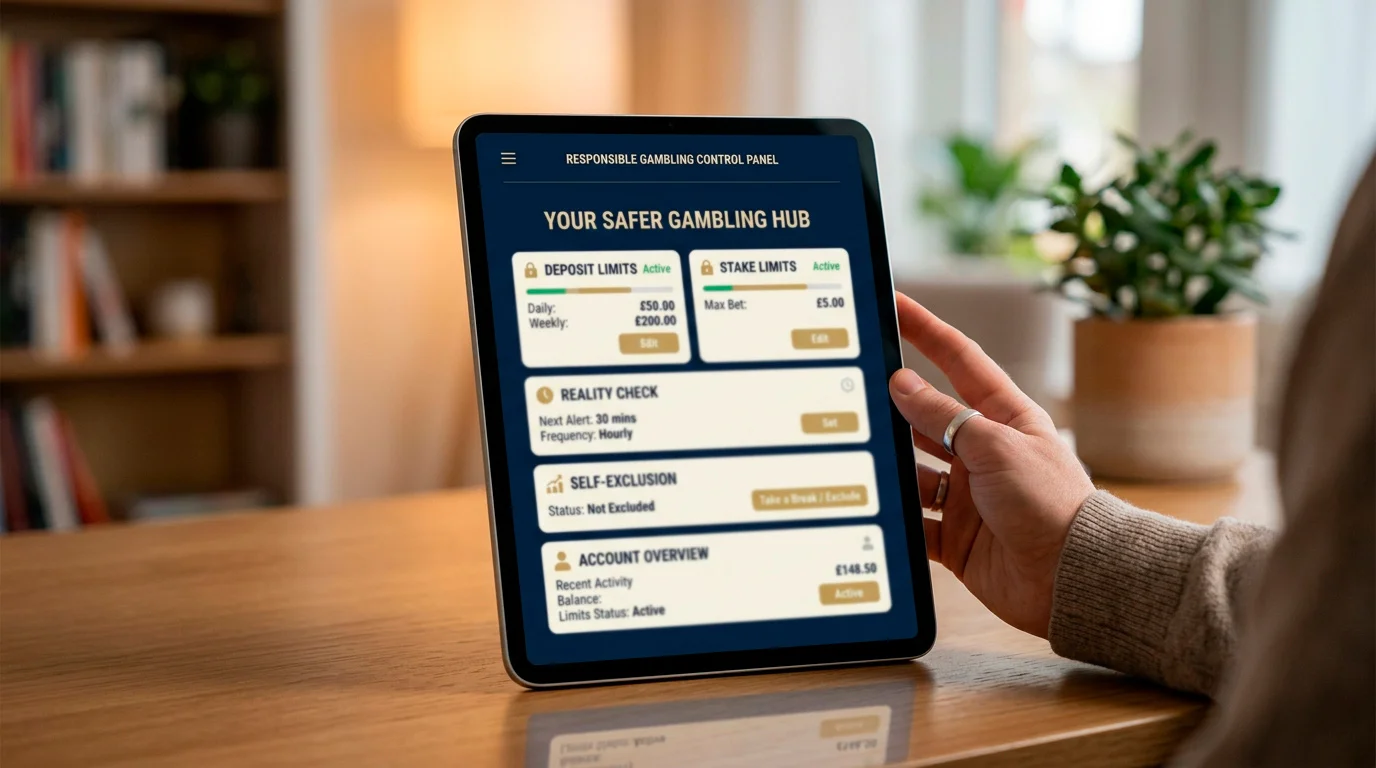
DragonBet sits inside a Great Britain Gambling Commission framework, and DragonBet Limited is listed among GAMSTOP participating companies. A reader should understand this before judging bonuses, slots, payments or account reviews. The key controls are deposit limits, self-exclusion, time-outs or play breaks, reality checks, online-slot stake limits and financial vulnerability checks. DragonBet provides safer-gambling tools including deposit limits, self-exclusion, time-outs or play breaks and reality checks. Great Britain also has online-slot stake limits of £5 for players aged 25 and over and £2 for players aged 18 to 24. This page explains what those rules mean in practice and links back to the DragonBet UK review for the full editorial view.
Table of Contents
- UK and GB rules snapshot
- Licence scope and why Great Britain wording matters
- GAMSTOP and self-exclusion
- DragonBet safer-gambling tools
- Online-slot stake limits
- Financial vulnerability checks and account review
- Why safety checks can affect withdrawals
- Promotions, advertising and social responsibility
- UK gambling-winnings tax context
- Reviews, complaints and evidence quality
- A practical safer-use plan
- Source notes
- DragonBet safety FAQ
UK and GB rules snapshot
Use this page as a practical map, not as a legal opinion. DragonBet’s casino and sports account can place gambling, payments, promotions and mobile access close together, so the safety layer matters before the first deposit. The most important distinction is that Gambling Commission licensing wording is Great Britain-focused, while some consumer, tax and self-exclusion topics are discussed in wider UK terms.
| Topic | Verified rule or control | Why it matters to a DragonBet user |
|---|---|---|
| Licence context | DragonBet Ltd is licensed by the Gambling Commission for Great Britain. | Use the official domain and understand that the account is not an offshore no-check route. |
| GAMSTOP | DragonBet Limited is listed among GAMSTOP participating companies. | Self-exclusion should be treated as a protection, not as an obstacle to work around. |
| Slots | GB online-slot stake limits are £5 for age 25+ and £2 for age 18-24. | The rule applies to online slots, not every casino game. |
| Account checks | Financial vulnerability checks apply at the £150 net-deposit threshold from 28 February 2025. | Deposit patterns can trigger customer-protection review before or around withdrawals. |
| Tax context | HMRC treats ordinary betting and gambling profits as outside trading income. | Do not turn that into personal tax advice or a promise for unusual arrangements. |
Licence scope and why Great Britain wording matters
Under the Gambling Commission framework, DragonBet Ltd holds account number 64908, with active remote casino and remote betting licence activities recorded in the evidence set. That supports the Great Britain regulatory framing on this site. It also means safety content should not be written like an offshore casino page that separates itself from UKGC controls.
The precision matters because the Gambling Commission’s remit is not a single blanket phrase for every UK context. For Northern Ireland, do not imply that the Gambling Commission directly regulates remote gambling provision there. Use the UKGC licence details page for the operator audit and register-focused wording.
The full assessment is in our DragonBet UK review.
GAMSTOP and self-exclusion
GAMSTOP is the multi-operator self-exclusion scheme in this market, and DragonBet Limited is listed among participating companies. That is an important safety signal because it connects DragonBet to a system that covers participating gambling businesses rather than only a single-site timeout.
Self-exclusion is not a bonus setting, a negotiation tool or a temporary inconvenience. It is a protective decision for people who need to stop gambling. Do not try to work around GAMSTOP with altered details, duplicate accounts or offshore alternatives. A reader who is already excluded should not use this page to look for another route to play.
DragonBet safer-gambling tools
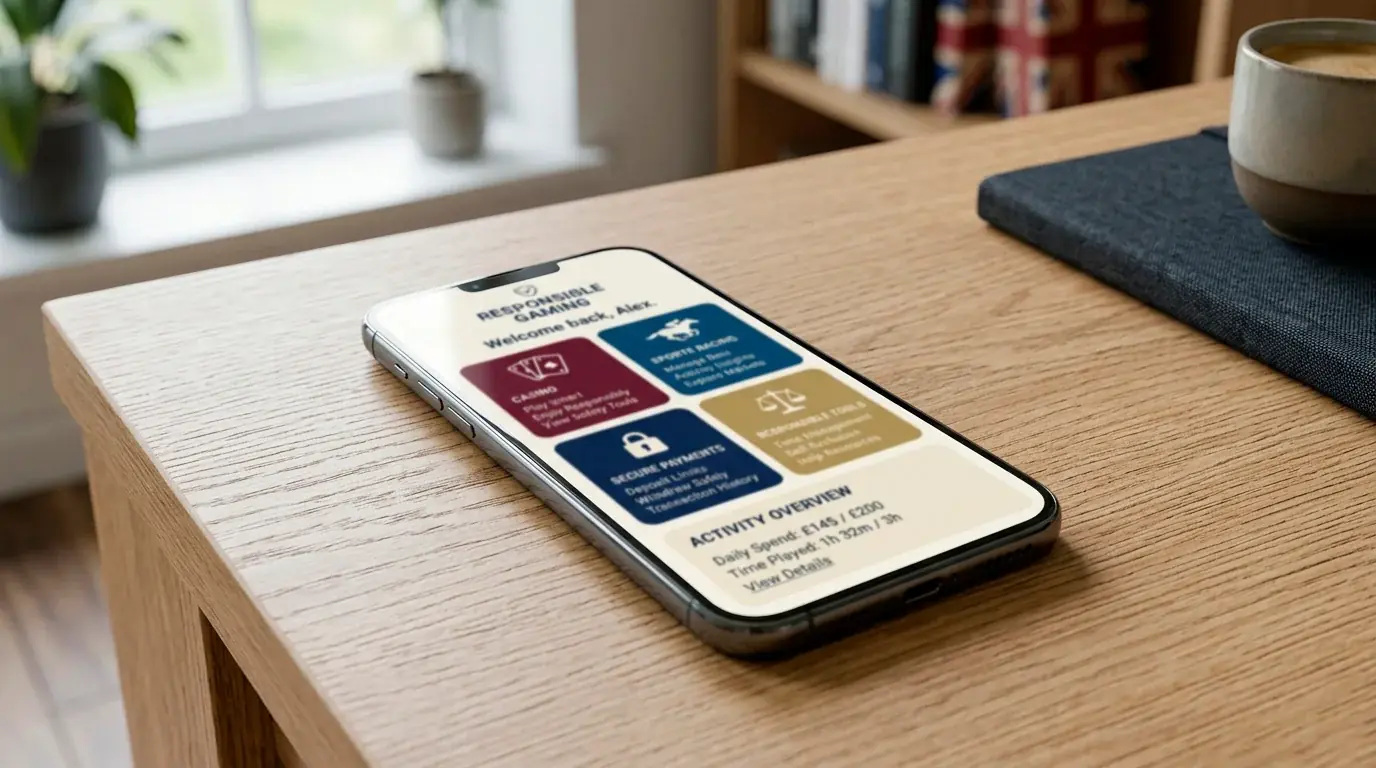
DragonBet provides safer-gambling tools including deposit limits, self-exclusion, time-outs or play breaks and reality checks. Those tools are most useful when set before a deposit, not after a losing session. A deposit limit controls funding, a time-out or play break creates distance, reality checks interrupt session drift, and self-exclusion is for stopping access when gambling is no longer manageable.
DragonBet’s combined sportsbook and casino structure makes tools more important. A user can move between sports, racing, slots and live casino without treating each area as a separate risk. A single account budget should cover all of that activity. If you plan to focus on casino categories, read the casino games guide before deciding whether the lobby fits your play habits.
Online-slot stake limits
Great Britain has maximum online-slot stake limits of £5 for customers aged 25 and over and £2 for customers aged 18 to 24. The £5 limit for all adults went live on 9 April 2025, and the £2 limit for adults aged 18 to 24 went live on 21 May 2025. The Gambling Commission guidance is explicit that these limits apply to online slots and not to other casino games such as roulette or blackjack.
A stake limit is still not a personal budget. A player can stay within the per-spin limit and still spend too much by increasing session length, chasing losses or switching products. Treat the slot stake limit as a floor of protection and your own deposit limit as the primary control.
Financial vulnerability checks and account review
From 28 February 2025, the GB financial-vulnerability threshold is where a customer’s deposits minus withdrawals exceed £150 in a rolling 30-day period. Between 30 August 2024 and 27 February 2025, the threshold was £500. The check is designed to identify significant indicators of potential financial vulnerability and requires licensees to consider the information they obtain and take proportionate action where risk is identified.
For a DragonBet user, this connects safer gambling with payments and KYC. Deposit patterns, withdrawal requests, payment matching and account behaviour can sit in the same review picture. The DragonBet verification guide explains identity, payment and source-of-funds checks without inventing exact document lists.
Why safety checks can affect withdrawals
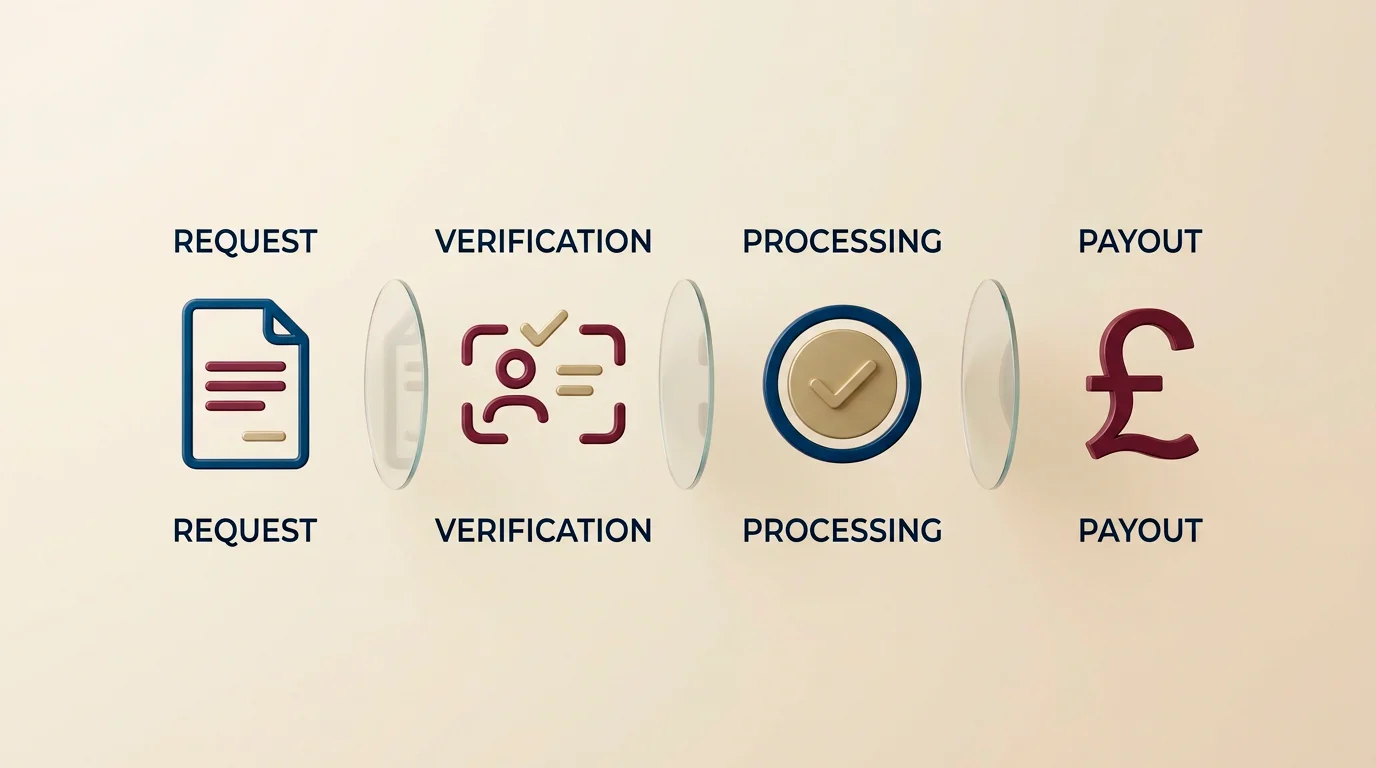
Withdrawal frustration often comes from expecting a simple payment clock when the account still has open review items. Identity checks, payment ownership, bonus status and financial vulnerability review can all affect the route to payout. This site does not publish a guaranteed DragonBet withdrawal time, fee or limit because exact values need official payment terms.
The practical rule is to reduce friction before cashing out: use your own payment method, keep account details consistent, avoid bonus terms you do not understand and respond only through the official account or support route. The DragonBet withdrawals page covers those payout checks in more detail.
Promotions, advertising and social responsibility
Gambling advertising must be socially responsible and comply with CAP and ASA rules. That matters when reading bonus pages, search snippets or social posts. A promotion should not be treated as safer just because it is visible, and an old bonus value should not be treated as current unless the live terms support it.
For DragonBet, the responsible choice is to read current promotion terms before opting in, then decide whether the promotion fits your planned spend. Do not increase deposits solely to chase a reward. Use the DragonBet bonus guide for the site’s cautious handling of bonus evidence and unsupported welcome-offer claims.
The licence those rules rest on: the register check.
UK gambling-winnings tax context
HMRC guidance says betting and gambling, as such, do not normally constitute trading. In ordinary gambling cases, that means the player is not taxable on the profits and cannot get relief for losses. This is general HMRC-backed context, not personal tax advice.
The careful wording matters. A simple casino review should not promise that every gambling-related arrangement is tax-free in every possible situation. If activity is tied to a business, employment, commercial arrangement or unusual financial setup, the reader should take proper advice rather than relying on a casino guide.
Reviews, complaints and evidence quality
Safety research should separate verified rules from individual review claims. Public reviews can be useful for spotting themes such as payout frustration, account restrictions or support quality, but they are not proof of a rule by themselves. Review platforms also contain emotional, incomplete and sometimes one-sided stories.
The better method is to start with the licence, official terms, account messages and regulator-backed rules, then use reviews as context rather than evidence for exact limits or outcomes. The planned reviews and complaints guide is where complaint-source quality belongs, so this page can stay focused on rules and tools.
A practical safer-use plan
- Start with the official DragonBet route and the licence context, not a copied promotion page.
- Decide a monthly gambling budget before depositing, then set a deposit limit below that budget.
- Use a payment method in your own name and keep account details consistent.
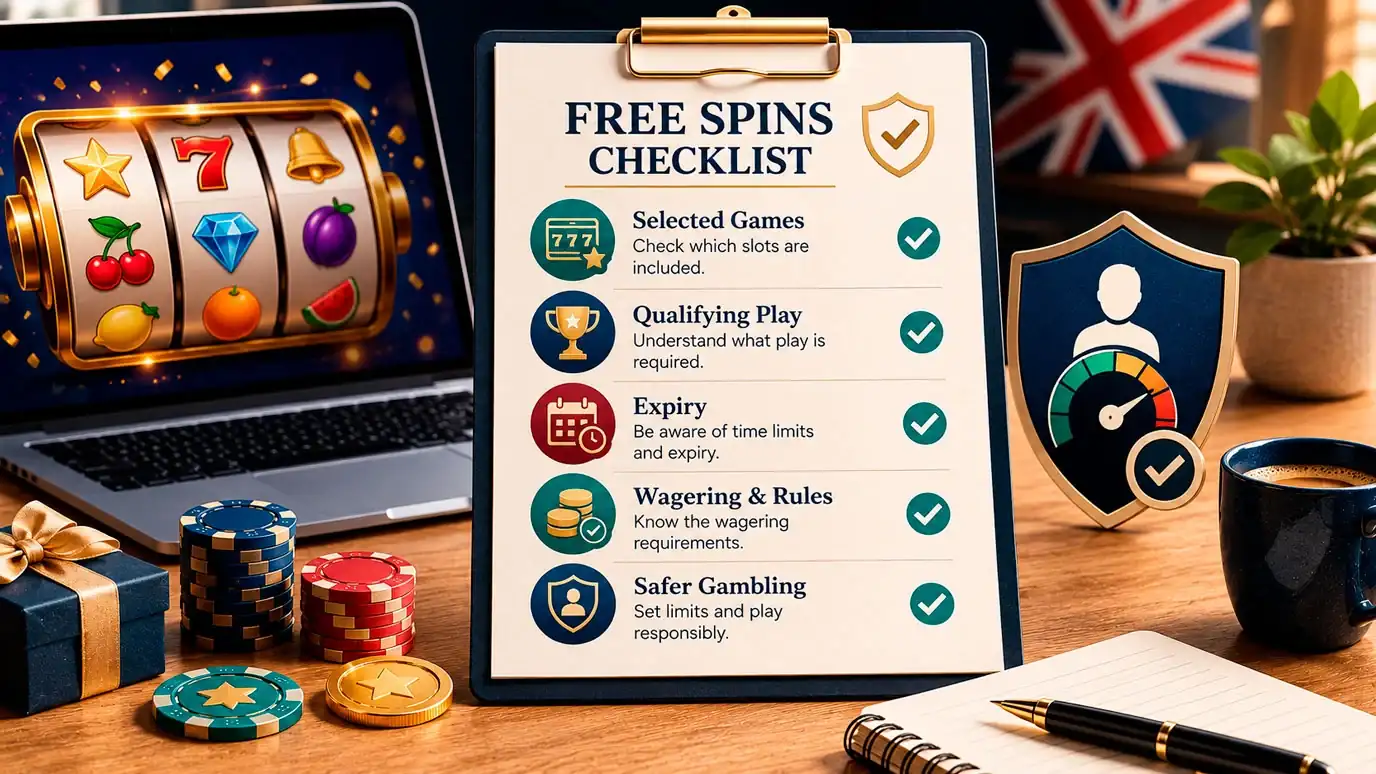
- Read promotion terms before opting in, especially where free spins or bonus wagering is involved.
- Treat the online-slot stake limits as a legal control, not as a spending plan.
- Use time-outs, play breaks or self-exclusion when gambling no longer feels controlled.
- Do not try to bypass GAMSTOP, KYC, payment checks or safer-gambling restrictions.
Source notes
- GAMSTOP participating companies
- Gambling Commission guide to self-exclusion with GAMSTOP
- Gambling Commission online slots stake-limit guidance
- Gambling Commission financial vulnerability check condition
- CAP Code section 16 – gambling
- HMRC BIM22015 – betting and gambling
DragonBet safety FAQ
Is DragonBet connected to GAMSTOP?
Yes. GAMSTOP lists DragonBet Limited among participating companies.
What are the online-slot stake limits in Great Britain?
The limits are £5 for customers aged 25 and over and £2 for customers aged 18 to 24. They apply to online slots, not to every casino game.
Do safer-gambling checks affect withdrawals?
They can. Identity, payment ownership, bonus status and financial-vulnerability review can affect a withdrawal where account review is open.
Are ordinary UK gambling winnings taxable?
HMRC guidance treats ordinary betting and gambling as outside trading income, so ordinary gambling profits are not taxable and losses are not relieved. This is general context, not personal tax advice.